At BodyRight Healthcare, we’ve always stood for delivering high-quality allied health services in the home—supporting older Australians to stay safe, mobile, and independent. But over the past few years, we’ve noticed a shift. Care needs are growing more complex, and the physical and emotional load on community carers is rising rapidly. Your support workers and personal care teams are now navigating more demanding tasks than they ever used to. How do we equip them to manage this environment?
I created Lift Less Solutions to make this happen.
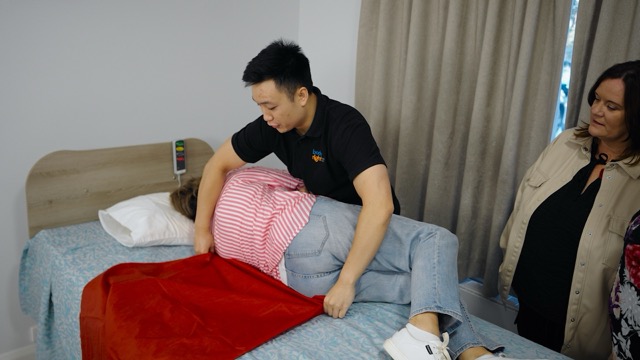
Too often, manual handling training is a tick-box exercise. But that doesn’t cut it when you’re dealing with real-life scenarios, complex clients, and constantly changing environments. What carers need is competency based training that’s hands-on. They need practical tools, tailored education, and expert guidance to help them navigate high-risk care environments—while protecting their own health and wellbeing.
Lift Less Solution’s mission is to Empower a Safe Care Partnership, so lets get to work!
Whether you’re coordinating teams or advocating for clients, I hope Lift Less Solutions becomes a trusted referral partner within your network. Together, we can ease the load, reduce injury risk, and improve outcomes for everyone involved in Support at Home
The Impact of Higher Care Needs on Community Carers
With consumers requiring more complex and intensive care in the home, the day-to-day responsibilities of support workers and personal carers have expanded. Increasingly complex needs and the expectations of family members mean that caregivers are experiencing greater physical and emotional pressures than ever before. This surge in workload heightens the risk of injury, fatigue, and burnout—which can ripple out to affect client wellbeing, service consistency, and team morale.
When caregivers are exposed to physically demanding tasks without adequate training, equipment, or competence, their health and safety are compromised. This not only affects their ability to deliver quality care but can also result in increased staff turnover, absenteeism, and gaps in service provision. For care providers and coordinators, recognising and proactively responding to these risks is essential.
Why We Must Prioritise Workforce Protection
The increasing complexity of community aged care cannot be met with reactive approaches. As BodyRight Healthcare founder Mark Schneider emphasises, it is no longer acceptable to view risk as simply “part of the job.” A proactive and strategic response is essential to protect both caregivers and the people they support.
Community aged care organisations must adopt thoughtful, evidence-based strategies to reduce risks and better support their teams. This involves more than just providing basic online manual handling training. It requires a holistic and people-centred approach that includes ongoing professional development, in-person training, practical equipment solutions, and a strong safety culture.
Implementing Targeted Safety Strategies in the Community
To effectively safeguard caregivers working in the community, organisations and coordinators should focus on two key areas:
1. Comprehensive Training and Education
Regular, relevant training equips carers with the competency they need to handle high-care consumers safely. This includes safe manual handling procedures, the use of assistive technologies in a home environment, and strategies to prevent injuries and strains in unpredictable spaces.
2. Fostering a Culture of Safety
Safety must be embedded into the values and daily practices of care teams. Encouraging two-way communication, listening to feedback from personal care workers, and recognising safe practices all contribute to a healthier, more resilient workforce.
Building a Safe Care Partnership
BodyRight Healthcare created Lift Less Solutions, with the aim to empower safe care partnerships—placing equal value on the wellbeing of the caregiver and the person receiving care. We work together to implement practical, effective, safety strategies tailored to the realities of in-home care.
As Mark Schneider puts it, “It’s our mission is to ensure that your care team is equipped, supported, and protected. When we prioritise workforce safety, we enhance the quality of life for both carers and consumers alike.”
We have developed two programs to make an impact in this space, one for the provider and another for the Case Manager:
Community Plus
A training program for the Support at Home Provider, it’s a bespoke, Manual Handling Solution for community care providers who are concerned about the increasing care needs seen in this sector. It is designed to complement a strategic Work Health & Safety initiative of Injury Prevention and better workplace design.
Fully customised to your requirements, nevertheless still providing the important components of a system that will ensure your direct and non-direct care staff remain safe at work. All of the training is in person, often workshop style, and delivers the perfect balance of theoretical understanding and practical skills so that your team is ready for the ever-increasing care needs evolving in the Community Care sector.
READ MORE
Lift Less Functional Capacity Assessment
An individualised assessment of a consumer, requested by the Case Manager. It is a personalised evaluation that transcends the usual Allied Health Assessment and provides deeper insight into the appropriate management of your Support at Home client.
It is not a one-size-fits-all solution and is ideal for a complex manual handling scenario that needs a clinical roadmap, to determine the consumers capacity to remain at home. It can also assist in the decision-making process required to transition from home to Residential Care.
READ MORE
The Support at Home space will continue to evolve, and with it, the challenges faced by our workforce. But with thoughtful investment in people, systems, and equipment—and a commitment to a culture of care and safety—we can build a more sustainable future for all involved.
To book a consultation Click Here