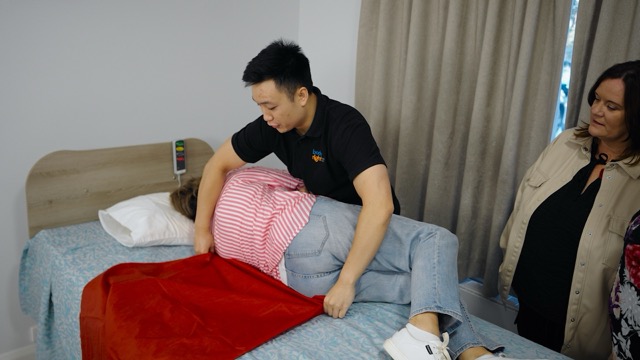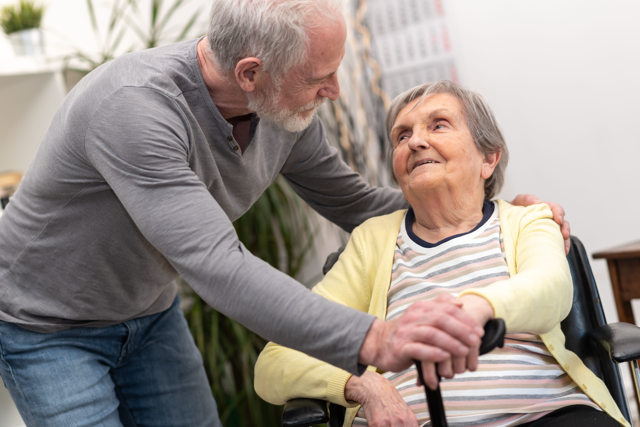
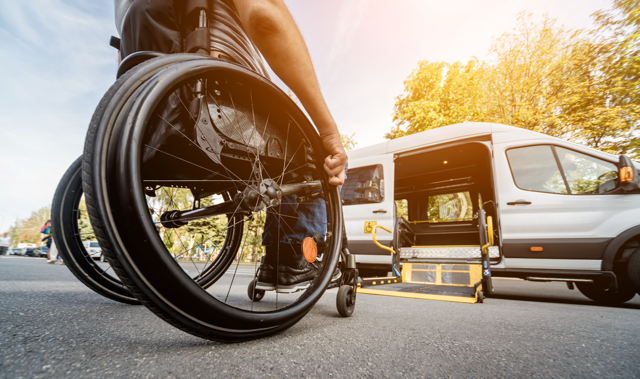
The following case study focuses on a residential aged care setting, the lessons apply directly to people living at home who rely on transport for appointments, shopping, or social activities.
In community care, every car transfer, taxi ride, or community bus outing carries similar risks — slips, loss of balance, or unsafe lifting during entry and exit. It helps care teams, family members, and drivers make informed decisions about how each person can travel safely, using the right equipment and level of assistance.
For consumers, this means more confidence and independence when heading out. For case managers and providers, it means clear procedures, reduced manual handling injuries, and peace of mind knowing safety and dignity of risk are balanced on every journey.
•••
Case Study: Creating Safer Social Outings in Aged Care – The Lift Less Risk Assessment Process
Social outings are a vital part of life in aged care. They provide residents with opportunities for connection, stimulation, and a sense of normality beyond the facility walls. However, when transport involves buses, taxis, or cars, the risks associated with mobility, manual handling, and safe transfers can be significant.
One aged care provider recently approached BodyRight Healthcare, with a concern about the potential risks to both residents and care staff whilst boarding and off boarding the bus during their social outings. The provider knew they needed a safer and sustainable system to prevent injury and falls for their residents and manual handling injuries to their lifestyle and care team.
Lift Less Solutions, the manual handling training and occupational health and safety advisory arm of Bodyright Healthcare, was called on to design and implement a comprehensive social outing risk assessment process. The result was safer practices, improved staff confidence, and—most importantly—a respectful balance between resident safety and the dignity of risk.
The Challenge
The facility had a fleet of four buses, all used for regular outings. With only one bus fitted with a rear mechanical lift, residents often defaulted to using the steps because it seemed “quicker” or because some residents preferred it.
This approach created several problems:
- High injury risk for residents – residents being manually assisted up steps because they don’t have the capacity, could lose balance, fall backwards, or collapse onto staff or other residents.
- Manual handling risk for staff – carers physically pushing from behind or holding residents on the stairs, creating high strain and injury risk.
- Lack of structured procedures – outings relied on ad hoc decision-making, without consistent safety protocols.
- Choice vs safety conflict – some residents wanted to use the steps, citing independence and dignity of risk, but carers lacked a structured way to balance safety with resident choice.
The provider recognised the need for a structured, clinically informed solution and a risk assessment process that made outings safer, more consistent, and compliant with The Aged Care Standards, while also respecting residents’ rights.
The Lift Less Solution – Start with the end in mind and work backwards
Our team developed a comprehensive Social Outings Risk Assessment Process for buses, cars and taxis that could be applied across the facility’s outings program.
The process had several key components:
1. Assessment of Each Individual
- A Functional Capacity Assessment of each resident is conducted – do they have the capacity to get on and off the bus, either walking or in a wheelchair without physical assistance
- Residents were also divided into groups that were ambulant or non-ambulant.
2. Whole-Fleet Risk Assessment
- All four buses were individually assessed.
- The risk factors associated with steps versus rear lifts were evaluated.
- A default position was reached. All residents must use the rear lift unless they reasonably object.
- For those who preferred to use the steps, a further capacity assessment was undertaken to verify their ability and choice to use the steps
3. Safe Operating Procedures (SOPs)
- Clear SOPs were created for both ambulant and non-ambulant residents
- Alternative SOP’s were created for the use of the steps
- Procedures covered positioning of carers, supervision, use of safety belts, and safe sequencing of passengers.
- SOPs were set in concrete and were relevant to the capacity of the resident. Changes to the residents’ capacity meant the use of a different SOP
- All SOP’s were tested & trialled with a live cohort
These SOPs gave staff clear, repeatable instructions to follow every time, removing ambiguity and guesswork.
4. Training & Cultural Change
- Carers, lifestyle staff, and drivers were trained in safe bus loading and unloading.
- Avoid hazardous manual handling practices and guide residents on stairs to use correct positioning.
- The “Qantas lounge approach” was introduced: residents wait comfortably until called, then board one at a time under supervision.
- Training emphasised not only the technical skills—it also addressed staff attitudes, reinforcing that safety must always take priority over speed or convenience.
5. Dignity of Risk Framework
- A central principle in Aged Care is the Dignity of Risk—the right of individuals to make choices, even when those choices involve potential risks.
- In this case, some residents strongly preferred to use bus steps instead of the rear lift. Lift Less Solutions created a dual-pathway approach:
- Default: All residents use the rear lift for safety.
- Choice: Residents who wished to use the steps underwent an individualised mobility assessment.
- Those assessed as safe could use the steps under a defined procedure (carers standing to the side, not pushing from behind or blocking in front).
- Those who failed the assessment were reviewed with families, who were engaged in decision-making. In most cases, families agreed with the clinical recommendation to prioritise lift use.
- This approach respected resident autonomy while ensuring risks were properly managed, documented, and communicated.
6. Living Risk Register
- One of the key innovations was ensuring the process was not “set and forget.” Resident mobility changes over time, sometimes rapidly. The Lift Less team implemented:
- Live documentation: Lifestyle teams maintain an up-to-date list of each resident’s current safe transfer method.
- Regular reviews: Residents are reviewed at a minimum every three months. If capacity changes sooner, they are re-assessed and the register updated.
- Ongoing training: Staff are encouraged to view safety as a continuous process rather than a one-time compliance task.
7. Extending to Cars and Taxis
- The framework wasn’t limited to buses. The same process is transferable to outings involving the use of taxis and private cars, covering common hazards such as:
- Entering/exiting low vehicles
- Managing seatbelts and mobility aids
- Safe supervision during transfers
- This provided a holistic system for all forms of resident outings.
Outcomes
Since implementing the Lift Less Social Outings Risk Assessment Process, we anticipate the provider will report:
- Reduction of Risk of Falls and Injuries to residents using the bus.
- Lower Manual Handling Strain for lifestyle & care team members, minimising injury risk and workers’ compensation exposure.
- Improved Staff Confidence clear protocols (SOP) gave staff confidence and consistency, reducing uncertainty and unsafe improvisation.
- Enhancement in Resident Dignity and Choice through the dignity of risk framework.
- A Cultural change care & lifestyle teams no longer default to “pushing people up the steps” or rushing the process. Instead, outings became safer, calmer, and more enjoyable for everyone.
- Better Family Engagement, as relatives appreciate the balance between autonomy and safety.
Most importantly, residents continue to enjoy social outings—with greater safety, structure, and confidence.
This case study highlights how Lift Less Solutions goes beyond manual handling training to provide Specialist Occupational Health & Safety Advisory Services for aged care providers and community providers.
By combining evidence-based assessment, clear operating procedures, and cultural change training, we empower providers to create safe care partnerships—where residents can continue to enjoy meaningful outings, families have peace of mind, and staff can work safely and confidently.
Social outings should be enriching, not risky. With the right systems, every journey can be safe, structured, and supportive.
•••
Aged Care Quality and Safety Commission – DOWNLOADABLE PDFs
Dignity of risk is another way of saying you have the right to live the life you choose, even if your choices involve some risk.
Dignity of Risk
What is dignity of risk? (A4 poster)
Contact us now to learn more about a Social Outing Risk Assessment.
(03) 9558 9111