…and What You Can Do About It.
BODYRIGHT BULLETIN
The 2020 World Health Organisation guidelines on physical activity highlighted the importance of reducing sedentary behaviour due to its negative health effects. However, the specific impact of prolonged sitting at work, particularly in the context of varying levels of physical activity, has not been fully explored. A recent prospective cohort study in Taiwan, published earlier this year sheds light on this issue, focusing on the health outcomes associated with occupational sitting among apparently healthy individuals.
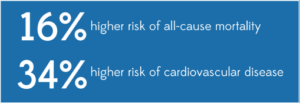
The study followed 481,688 participants over an average period of 12.85 years, collecting data on their occupational sitting habits, leisure-time physical activity (LTPA), lifestyle choices and metabolic health. The findings revealed that individuals who predominantly sat at work had a 16% higher risk of all-cause mortality, and a 34% higher risk of cardiovascular disease mortality compared to those who predominantly did not sit at work. These increased risks persisted even after accounting for factors such as age, sex, education, smoking, drinking and body mass index.
“Sitting is more dangerous than smoking, kills more people than HIV and is more treacherous than parachuting.” — Dr. James Levine, from the Mayo Clinic, was credited with calling sitting the new smoking. He researched the negative health consequences of excessive sitting.
The 2020 World Health Organisation guidelines on physical activity highlighted the importance of reducing sedentary behaviour due to its negative health effects. However, the specific impact of prolonged sitting at work, particularly in the context of varying levels of physical activity, has not been fully explored. A recent prospective cohort study in Taiwan, published earlier this year sheds light on this issue, focusing on the health outcomes associated with occupational sitting among apparently healthy individuals.
The study followed 481,688 participants over an average period of 12.85 years, collecting data on their occupational sitting habits, leisure-time physical activity (LTPA), lifestyle choices and metabolic health. The findings revealed that individuals who predominantly sat at work had a 16% higher risk of all-cause mortality, and a 34% higher risk of cardiovascular disease mortality compared to those who predominantly did not sit at work. These increased risks persisted even after accounting for factors such as age, sex, education, smoking, drinking and body mass index.
To counteract the negative effects of prolonged sitting, the study suggests that individuals who sit most of the day at work should aim to add 15 to 30 minutes of physical activity per day. This additional exercise can help mitigate the heightened risks associated with prolonged sitting, bringing the risk level down to that of individuals who do not predominantly sit at work.
The study underscores the importance of integrating more movement into our daily routines, particularly in workplace settings. It suggests that alternating between sitting and standing during the workday, along with engaging in regular physical activity, can significantly reduce the health risks associated with prolonged occupational sitting. Moreover, these findings call for workplace system changes to de-normalise prolonged sitting, much like the successful efforts to reduce smoking.
Here are some simple strategies to combat the impact of prolonged sitting
As a case manager, your dedication and tireless efforts to support your clients are remarkable. We understand the demands of your role often mean long hours spent in front of a laptop or at a desk, and over time, this can lead to physical strains and discomfort. At BodyRight Healthcare, we want to take a moment to focus on you. Not just as professionals we partner with, but as individuals whose well-being matters greatly to us. After all, you’re the backbone of the support system that keeps everything running smoothly.
Recent research has likened prolonged sitting to the risks of smoking, emphasising the detrimental effects of being hunched over a screen for hours on end. But there’s good news! Small, manageable changes can have a big impact. Below, we’ve compiled strategies to help you stay well, energetic, and comfortable throughout your day.
Take a Mini-Movement Break Every 30 Minutes
- Sitting continuously for hours can cause muscle stiffness and poor blood circulation. Set a timer on your phone or computer to remind you to take a quick stretch or walk around every 30 minutes. This could be as simple as standing up to roll your shoulders, stretching your legs, or walking to refill your water bottle.
Mind Your Posture: Align, Don’t Slouch
- Good posture is crucial. Make sure your feet are flat on the floor, your back is against the chair, and your shoulders are relaxed.
- If your chair doesn’t offer sufficient lumbar support, consider using a cushion or rolled-up towel to maintain the natural curve in your lower back.
Practice Seated Stretches
- Simple stretches like neck rolls, seated spinal twists, and ankle circles can be done without even leaving your chair. These stretches help keep blood flowing and muscles relaxed.
Adjust Your Workspace
- Ergonomics is about creating a workspace that supports you, not the other way around. Position your screen at eye level to avoid neck strain, and make sure your chair height allows for your elbows to be at a 90-degree angle when typing.
Incorporate Deep Breathing
- Deep breathing exercises not only reduce stress but also improve posture by opening up the chest. Take a few minutes each hour to breathe in deeply through your nose, hold for a few seconds, and exhale slowly. This practice not only relaxes you but encourages better spinal alignment.
Hydrate Regularly
- Staying hydrated is more important than you think. Not only does it help your overall health, but the need to get up for a drink also encourages regular movement. Keep a water bottle nearby and set reminders if necessary.
Adopt the “Sit-Stand” Method
- If possible, invest in a sit-stand desk or find ways to alternate between sitting and standing throughout your workday. Standing intermittently relieves the spine from prolonged compression and encourages better circulation.
Schedule “Walking Meetings”
- If your role allows for it, try conducting some of your meetings or phone calls while walking. This approach helps you stretch your legs, get fresh air, and gain a new perspective on discussions.
Incorporate Desk Exercises
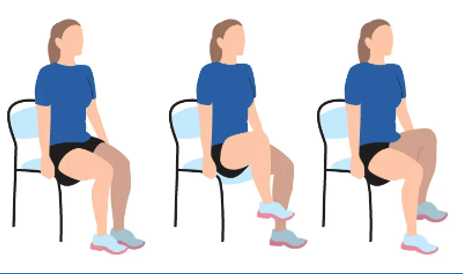
- Simple exercises like seated leg lifts, glute squeezes, or calf raises can be done discreetly at your desk. These small movements not only reduce muscle fatigue but also prevent stiffness.
Regularly Reset and Check-In
- It’s easy to get caught up in the rush of the day and forget about your body’s needs. Take moments to mentally reset and ask yourself, “How does my body feel right now?” Acknowledge any tension or discomfort and address it with a stretch or change of position.
Remember Self-Compassion
- Lastly, be kind to yourself. Long days and demanding responsibilities can make self-care challenging. At BodyRight Healthcare, we want you to know that it’s okay to prioritise your well-being too. Even small adjustments show that you’re taking steps to care for yourself.
Caring for others is a selfless pursuit, and we appreciate everything you do to ensure your clients receive the best possible support. At the same time, we want to remind you that your well-being is equally important. By integrating these simple strategies into your day, you can make a world of difference to your physical health and overall energy levels.
At BodyRight Healthcare, we’re not just here to partner with Case Managers in caring for consumers. We’re here to support you too. Let’s keep building a community of care, where everyone—case managers and clients alike—can thrive.